The Hidden Variable: how shared cell culture incubators are compromising your biological data (and your budget)
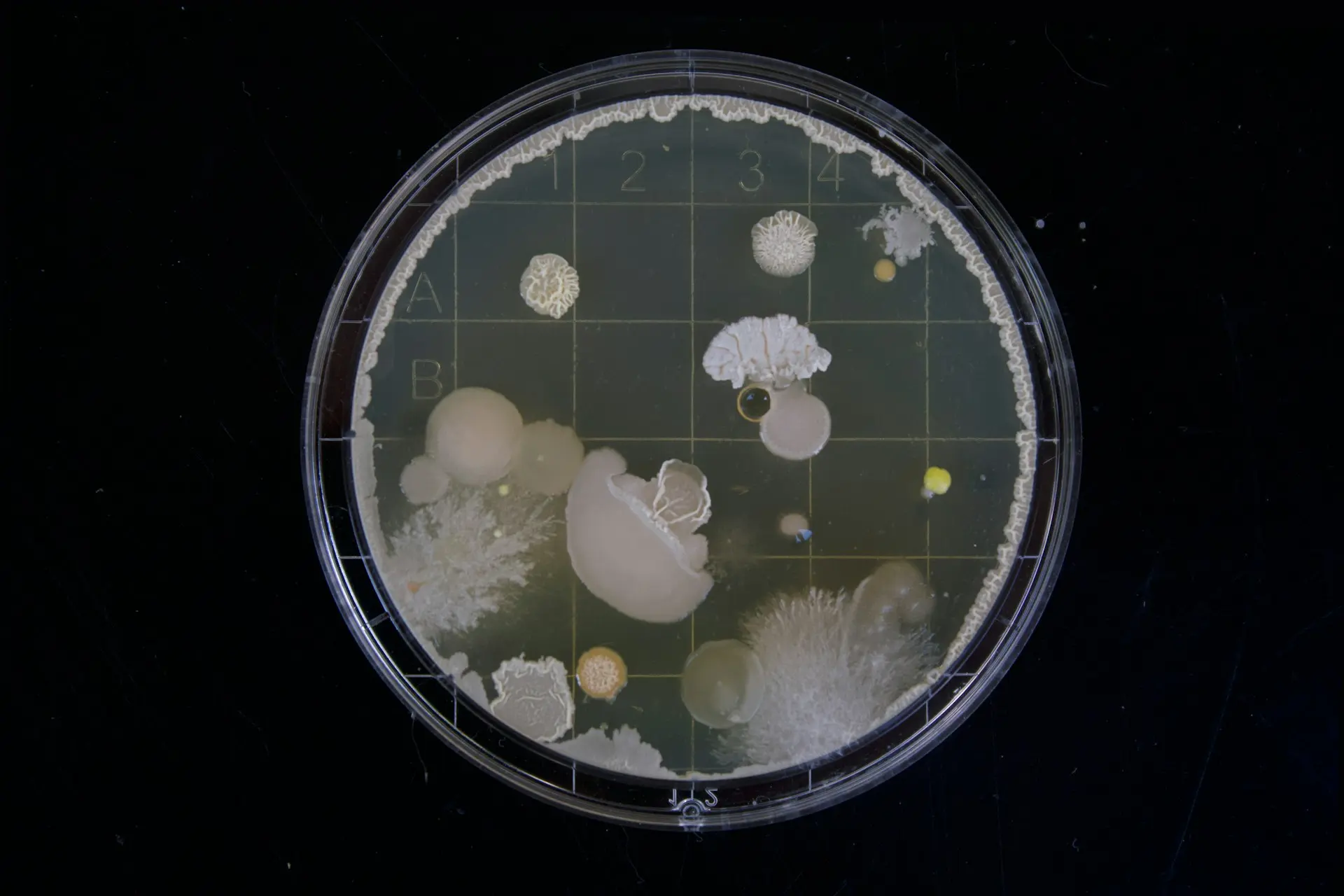
In laboratory equipment hierarchies, the CO₂ cell culture incubator is frequently underestimated as mere storage but functions as arguably the most critical active variable in experimental design. While researchers focus on reagent quality and technique precision, the shared incubator represents a substantial source of experimental error.
The “door-opening” effect: a cycle of stress
Shared incubators face environmental instability from frequent access. A single unit may experience 20–50 door openings daily.
- Hypoxia and pH drift: Door openings cause CO₂ concentration to drop to atmospheric levels (~0.04%), shifting bicarbonate buffering systems alkaline and raising pH.
- Thermal shock: Internal temperatures decline, interrupting cellular metabolism.
- Recovery lag: Although sensors may indicate rapid return to 37 °C / 5% CO₂, media within vessels requires considerably longer re-equilibration periods.
When sharing with three researchers, cells endure unscheduled pH and thermal stress cycles beyond individual control. This exposure triggers phenotypic drift — cells modify gene expression to survive stress, differing from baseline cultures.
The contamination domino effect
Cross-contamination represents a silent budget threat in communal chambers. Researchers culture not only their samples but co-culture all concurrent experiments.
- Mycoplasma spreading: This undetectable contaminant spreads via aerosols during door openings or condensation on shelves.
- The “one-bad-apple” scenario: One user’s spill or fungal outbreak necessitates complete decontamination shutdown, halting all users’ work and potentially ruining time-sensitive experiments.
The financial and temporal toll
Shared incubation costs rarely receive full calculation, though the expense proves substantial. Consider a single lost experiment from fungal contamination or unexplained variance:
- Reagents: Media, serum, growth factors, and transfection reagents — $500–$2,000+
- Cells: Primary cells or iPSCs requiring weeks of expansion — $1,000+
- Time: The highest-value asset. Two weeks of lost work delays projects by a month (thawing, expanding, re-running).
One major failure yearly from a shared incubator exceeds dedicated equipment costs.
The solution: decentralizing the cell culture workflow
Rather than improved scheduling, the answer involves decentralization. Analogous to computing’s mainframe-to-desktop shift, cell culture transitions from communal halls to personal benches.
Introducing CultureON 100
CultureON 100 represents a paradigm shift: a personal, compact CO₂ incubator restoring environmental ownership to individual scientists.
Moving specific samples into dedicated CultureON units eliminates shared-equipment variables:
- Zero cross-contamination: Physical isolation prevents main lab outbreaks from threatening critical cell lines.
- Absolute environmental stability: Doors open exclusively under researcher control with no unscheduled fluctuations from colleague access patterns. Data reflects experimental conditions rather than lab traffic.
- Benchtop accessibility: Compact design enables placement adjacent to biosafety cabinets, reducing transport time and vibration stress on sensitive cells like iPSCs or organoids.
Why it matters for reproducibility
During heightened reproducibility scrutiny, CultureON addresses the single largest environmental variable in workflows. Researchers can definitively confirm cells maintained 37 °C and 5% CO₂ uninterrupted throughout studies.
Conclusion: stop renting, start owning
We would never ask a molecular biologist to share a single pipette with the entire floor. Why do we ask cell biologists to share the very atmosphere their cells breathe?
Contamination and data variability costs demand attention. CultureON functions not merely as equipment but as data insurance and workflow efficiency enhancement.
Protect your cells. Control your environment. Culture ON.